


Who We Are
Whelix was founded by scientists and engineers who experienced the limits of manual cell culture firsthand.
During his PhD research in biomedical engineering at Carnegie Mellon University, CEO Bingda Li experienced how repetitive pipetting, frequent night and weekend lab visits, inconsistent results, and contamination slowed progress across life-science research. Too much scientific talent was being spent on cell expansion and maintenance instead of discovery.
Believing this problem demanded a new paradigm, Bingda partnered with CTO Xinyu Wang, a robotics researcher at CMU, to reimagine how cell culture should be done.
Together, they founded Whelix to build intelligent, compact, modular, and affordable robotic platforms that automate cell culture end to end. By uniting cell biology, robotics, and AI, Whelix is transforming cell culture from a bottleneck into a scalable, reliable foundation for modern biology.
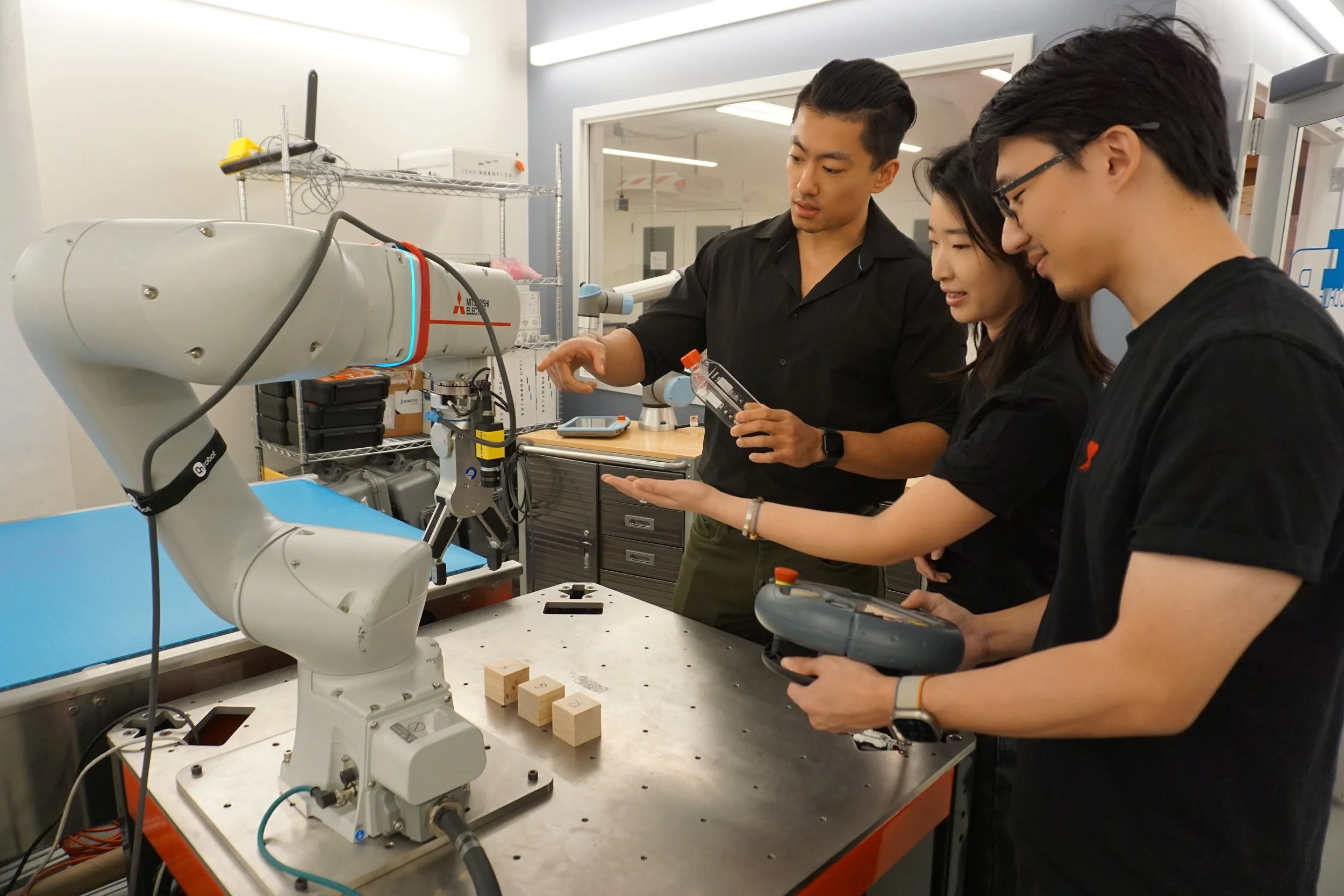

Our Team
-

Bingda Li
CEO & Co-founder
Biomedical Engineering, Carnegie Mellon University
-

Xinyu Wang
CTO & Co-founder
Robotics, Carnegie Mellon University
-
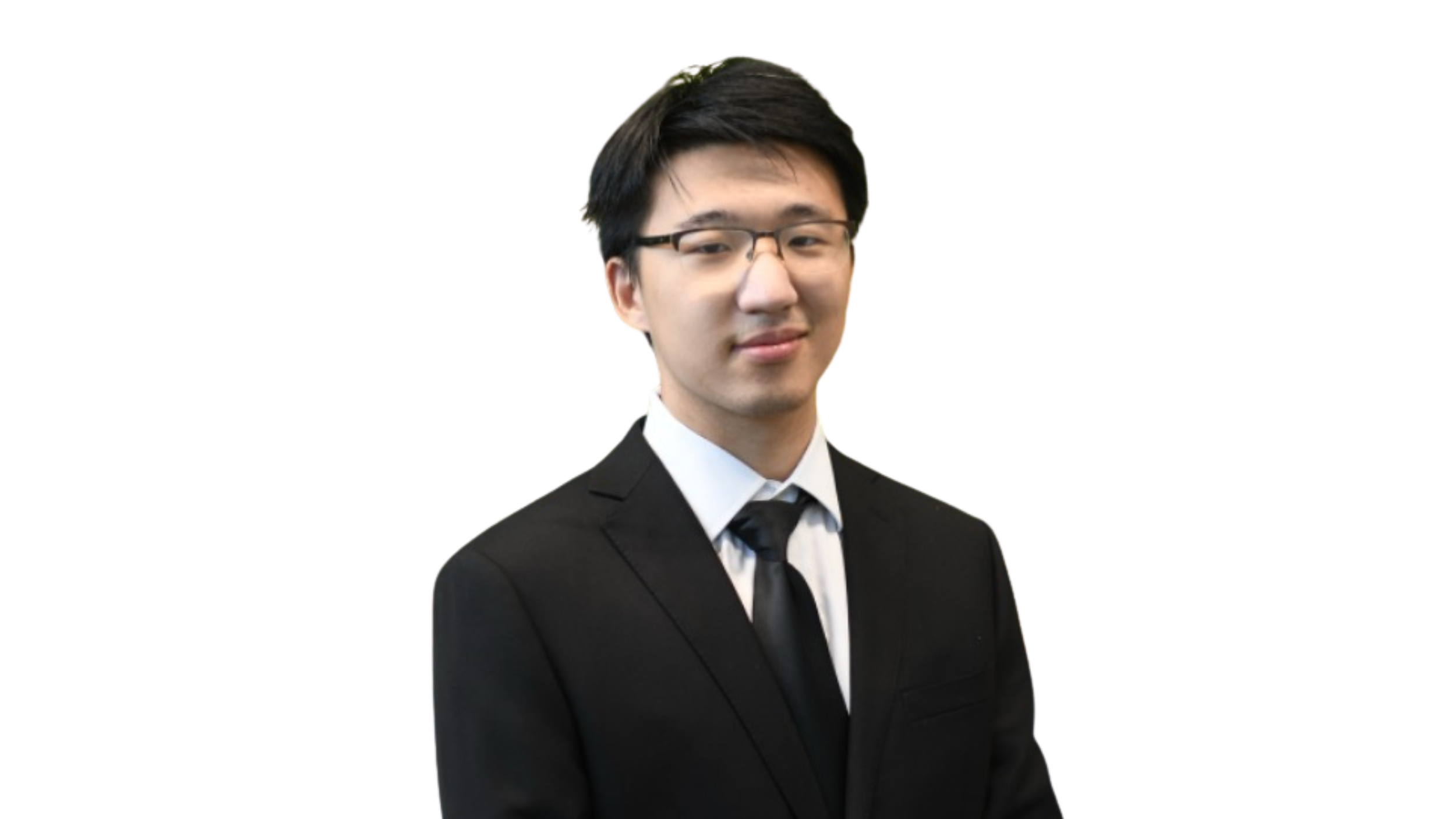
Jingkun Liu
Head of Robotics
Robotics, Northwestern University

ADVISORS
-
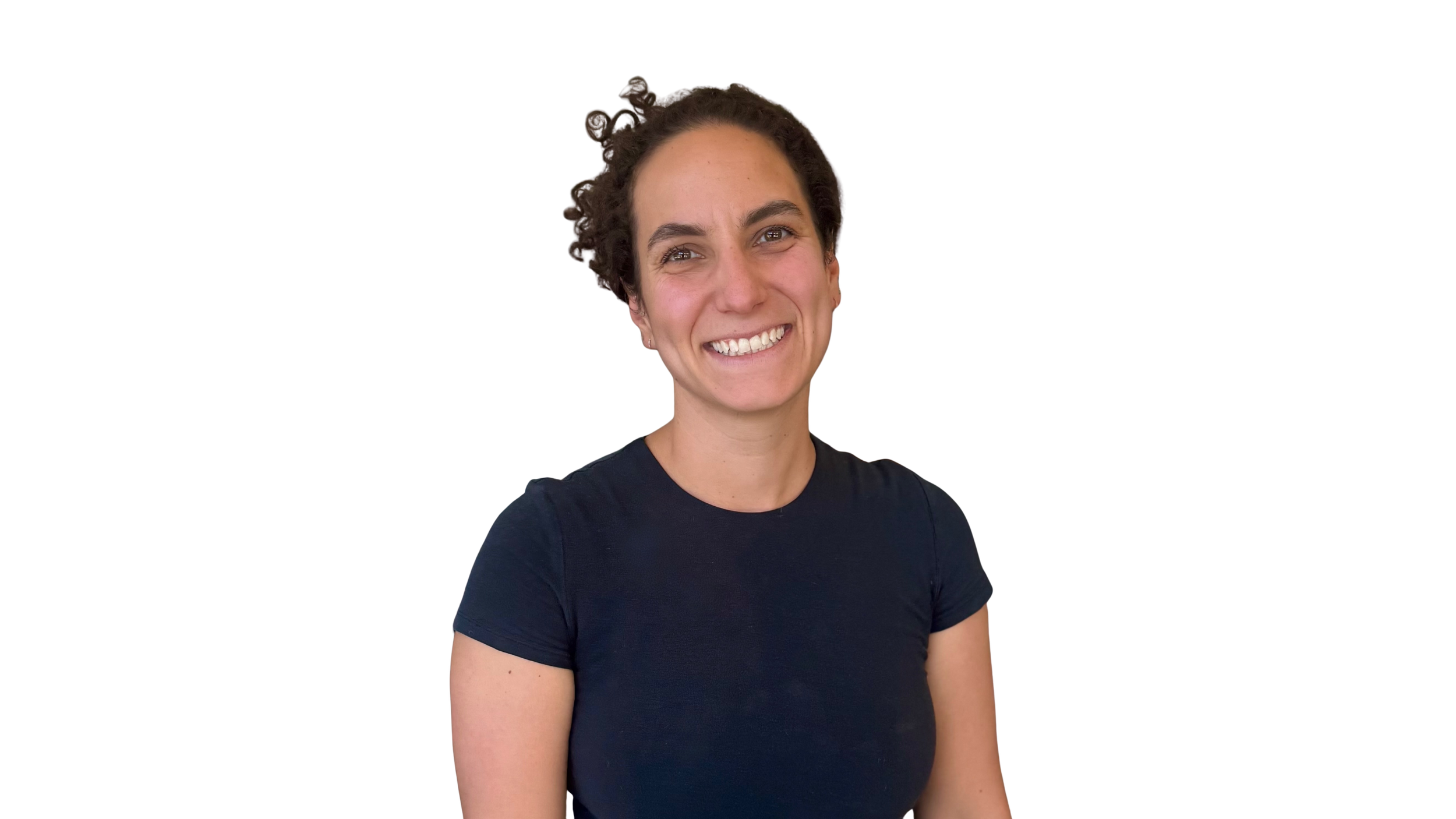
Andrea Mazzocchi, PhD
Advisor
Former CEO & Co-Founder of Known Medicine (acquired, 2023).
CEO & Co-Founder of Play Health.Experienced biotech entrepreneur with a track record of building and scaling AI-driven life-science companies from inception to exit.
-

Rumi Naik, PhD
Advisor
CEO of Avronna. Professor at Carnegie Mellon University.
Former AVP at Sanofi; prior leadership roles at Intel, Bloomberg, and Flagship Pioneering.Brings deep expertise across biotech, AI, and enterprise technology, spanning academic research, pharma innovation, and venture-backed company building.
-

Art Trapotsis
Advisor
Former CEO of Consolidated Sterilizer Systems.
Board Member at Forge Impact.Over 25 years of experience designing, manufacturing, and commercializing complex laboratory instrumentation and industrial systems in highly regulated markets.
Transform Cell Culture in Your Lab
See how AI-driven, autonomous cell culture boosts throughput, consistency, and researcher productivity.