

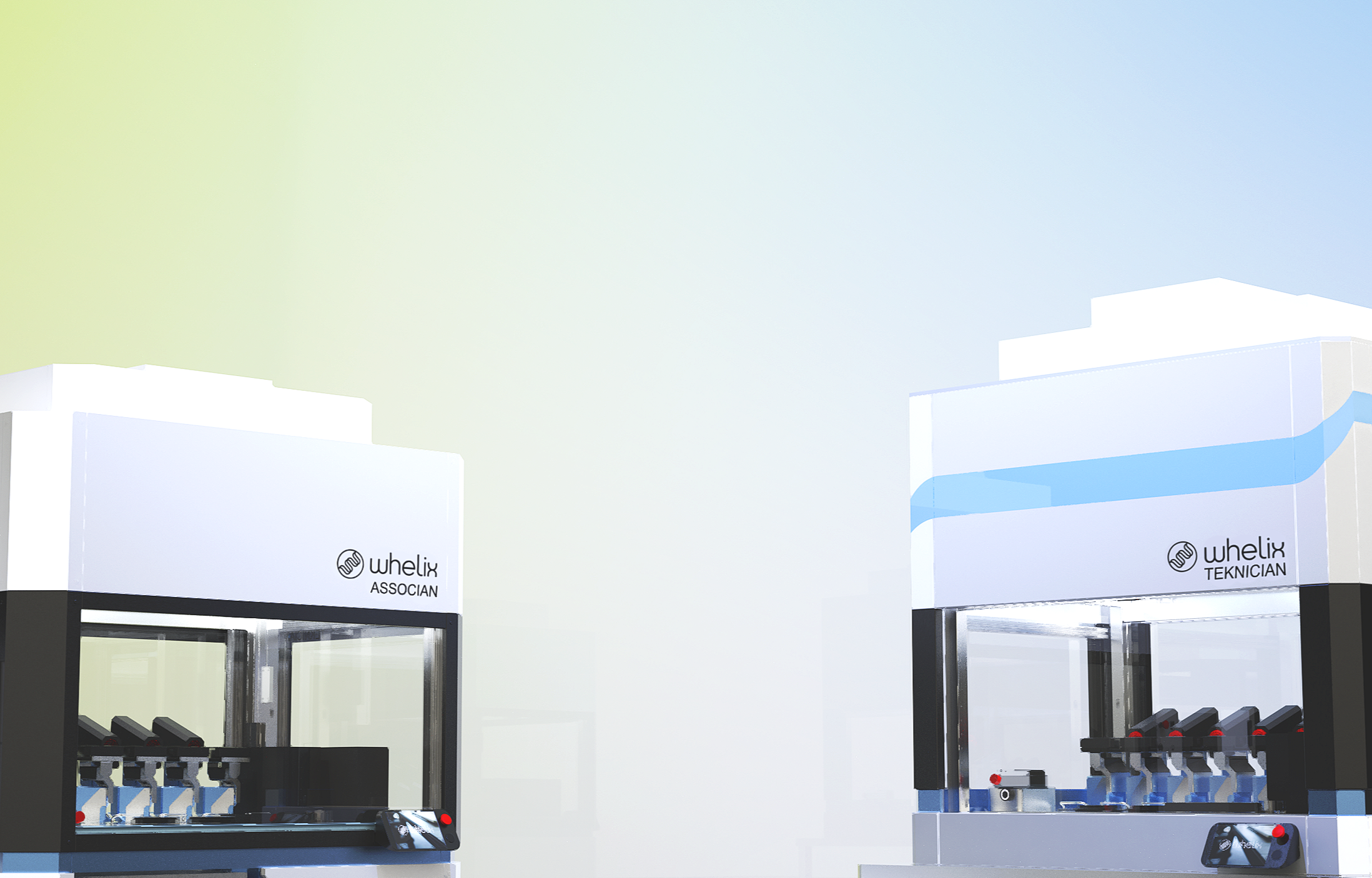

Intelligent Robotics for Cell Culture Automation
Manual Cell Culture
The #1 Bottleneck in Life Science Research
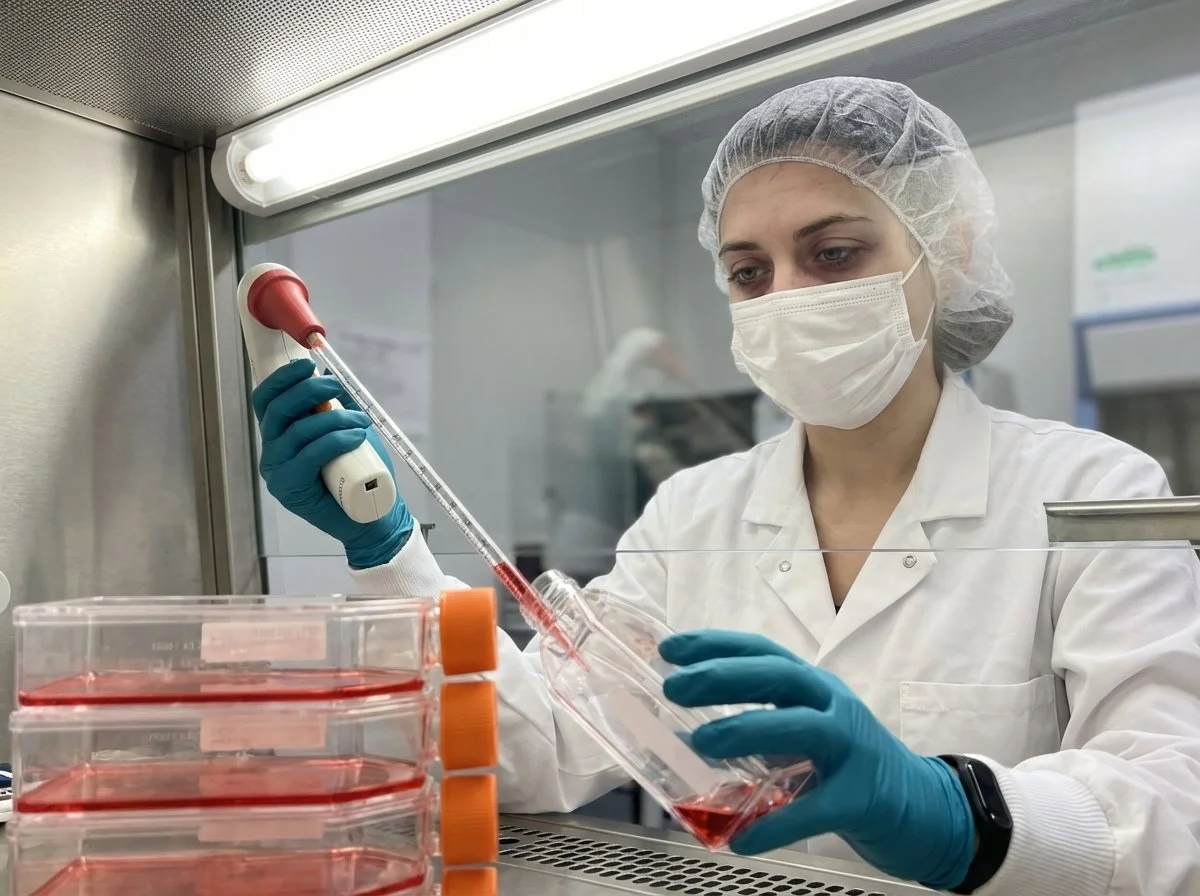

Repetitive Workload
Restricted Throughput


Inconsistent Data
Contamination Risk
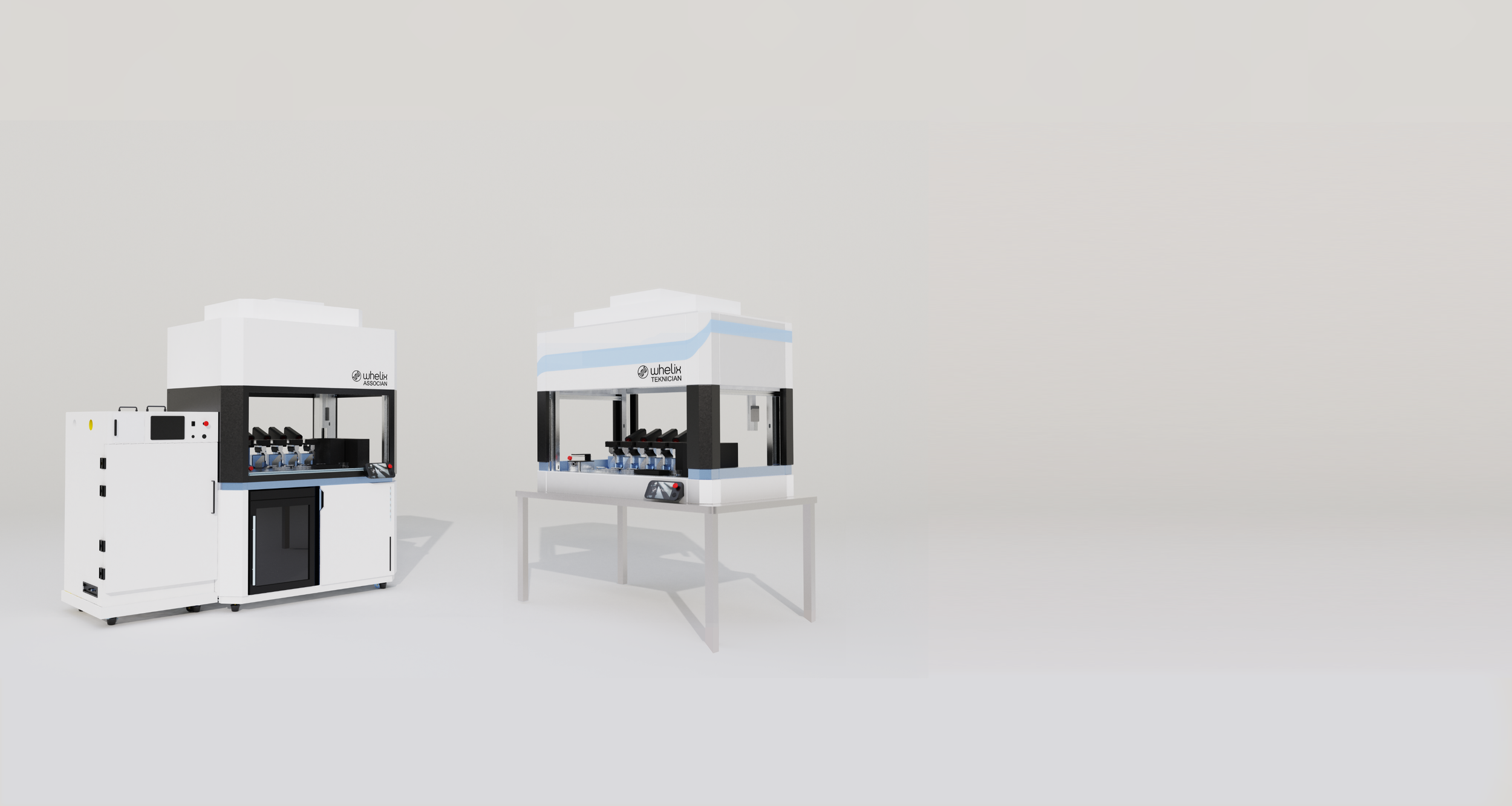
Intelligent Robotic Agents for Autonomous Cell Culture
AI-native robotic platforms delivering scalable, consistent, hands-free cell production.
-
Automate routine feeding, passaging, imaging, and plating, boost productivity and reclaim nights and weekends without sacrificing quality.
-
AI-supervised workflows with precise liquid handling and intelligent scheduling deliver predictable confluency, morphology, and >95% batch-to-batch consistency.
-
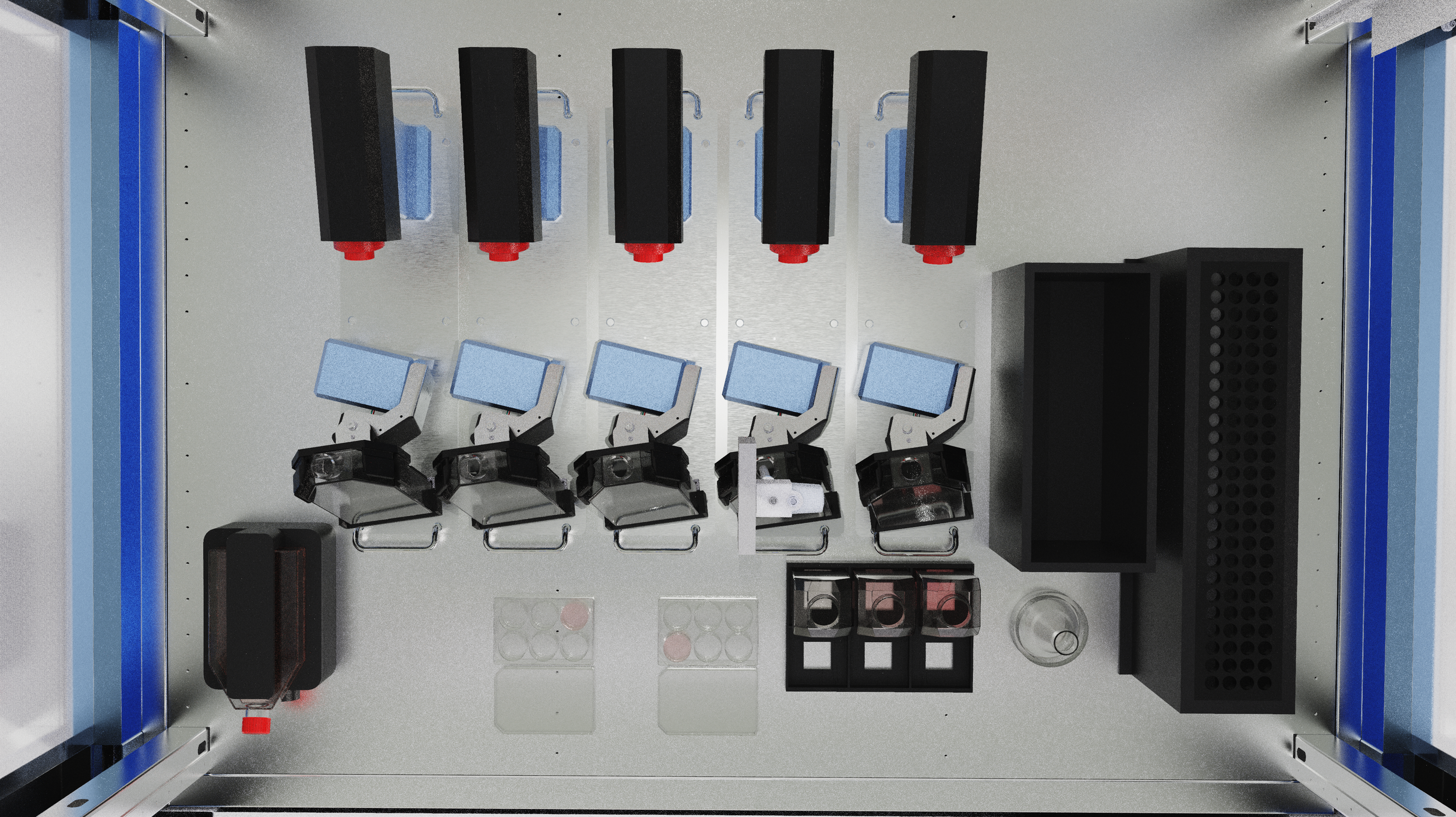
Produce >1B cells per run (up to 45 T175 flasks) or culture up to 45 distinct cell lines simultaneously, supporting both scale-up and diverse experimental workflows.
-
Handle T-flasks and well plates within a single system—from expansion to assay-ready plates—fully compatible with downstream automation.
An AI Agent Guiding
Every Step of Cell Culture
From planning and simulation to real-time monitoring and autonomous decision-making.
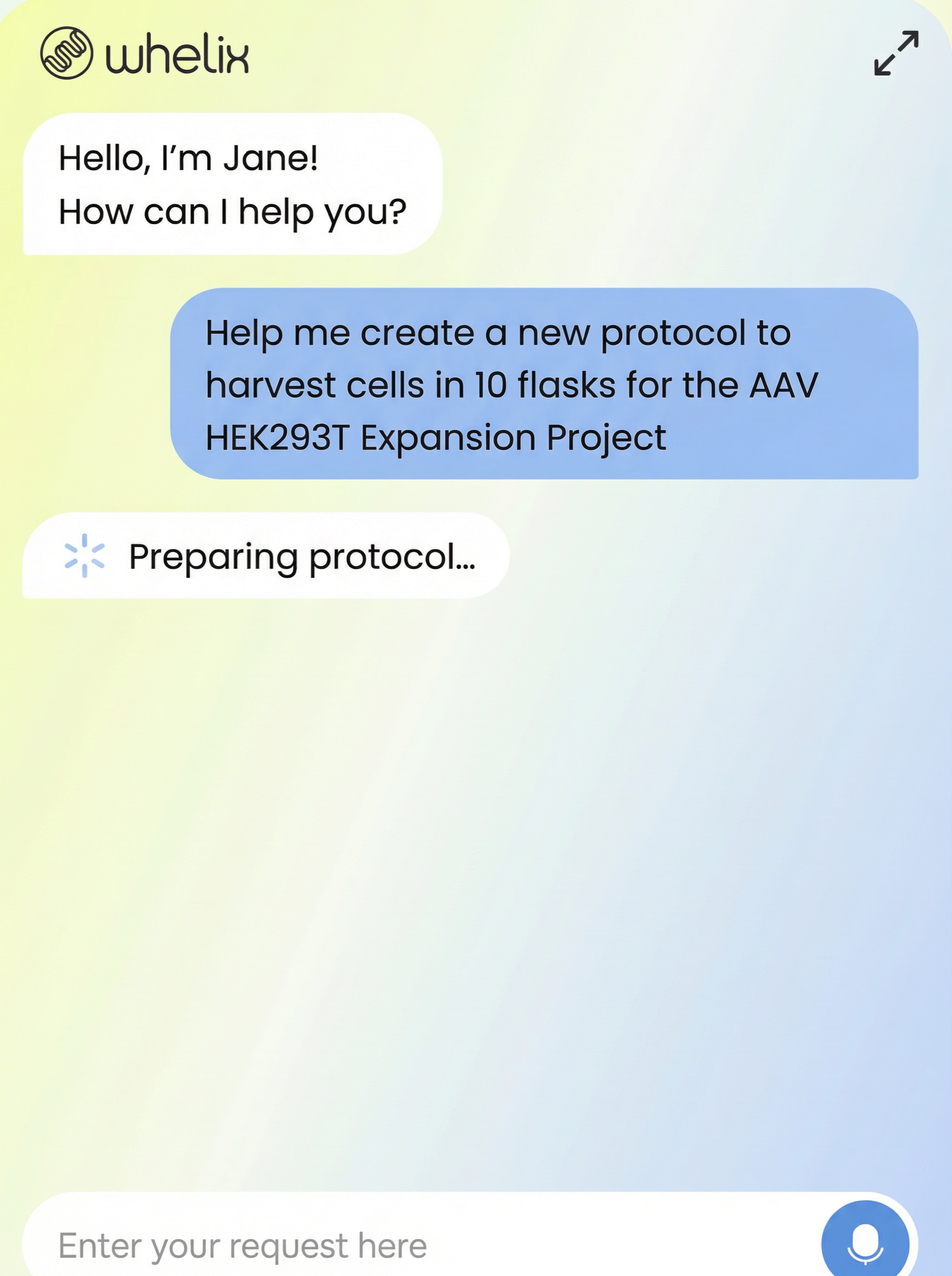
Planning with Natural Language
-
Program the robot using plain text or voice. The AI agent turns natural language into validated, executable workflows with no scripting or custom integration.
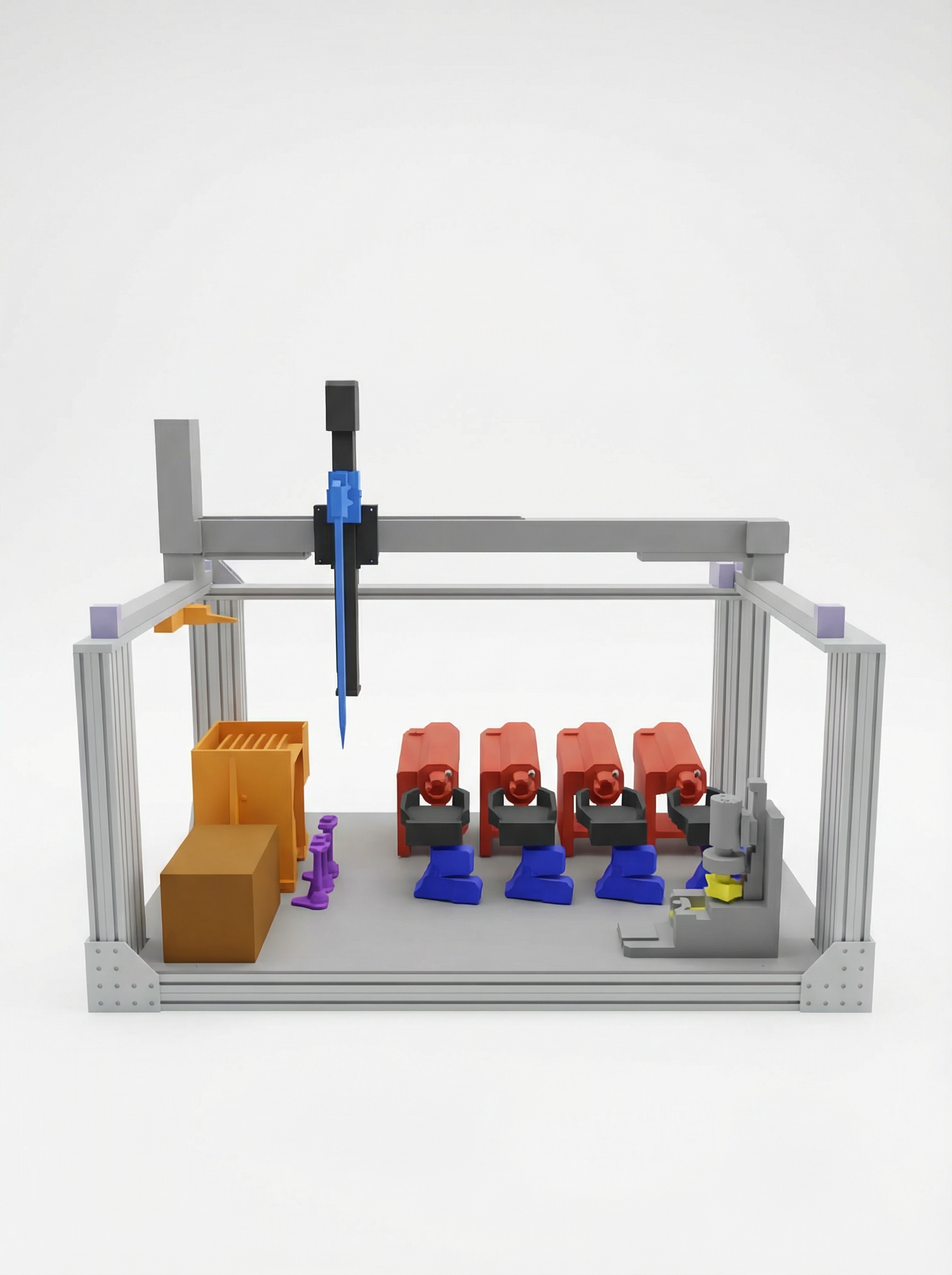
Simulating with a Digital Twin
-
Simulate protocols, train users, and optimize workflows in a virtual environment to reduce risk, accelerate onboarding, and build confidence before any physical run begins.
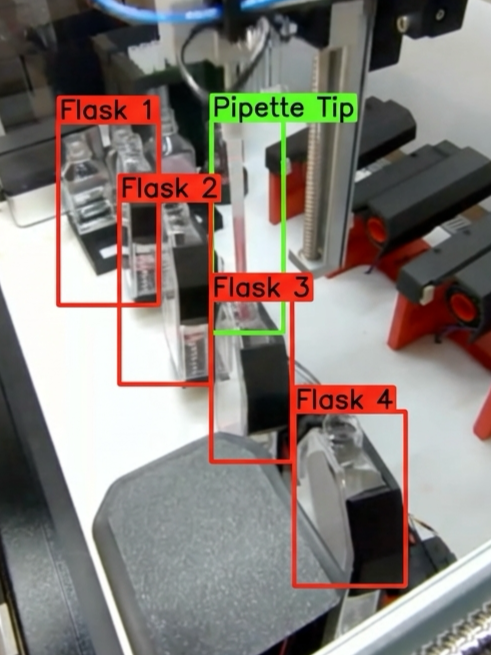
Monitoring with Computer Vision
-
Computer vision monitors robotic operations and experimental conditions 24/7, detecting errors, deviations, and anomalies in real time to protect every run.
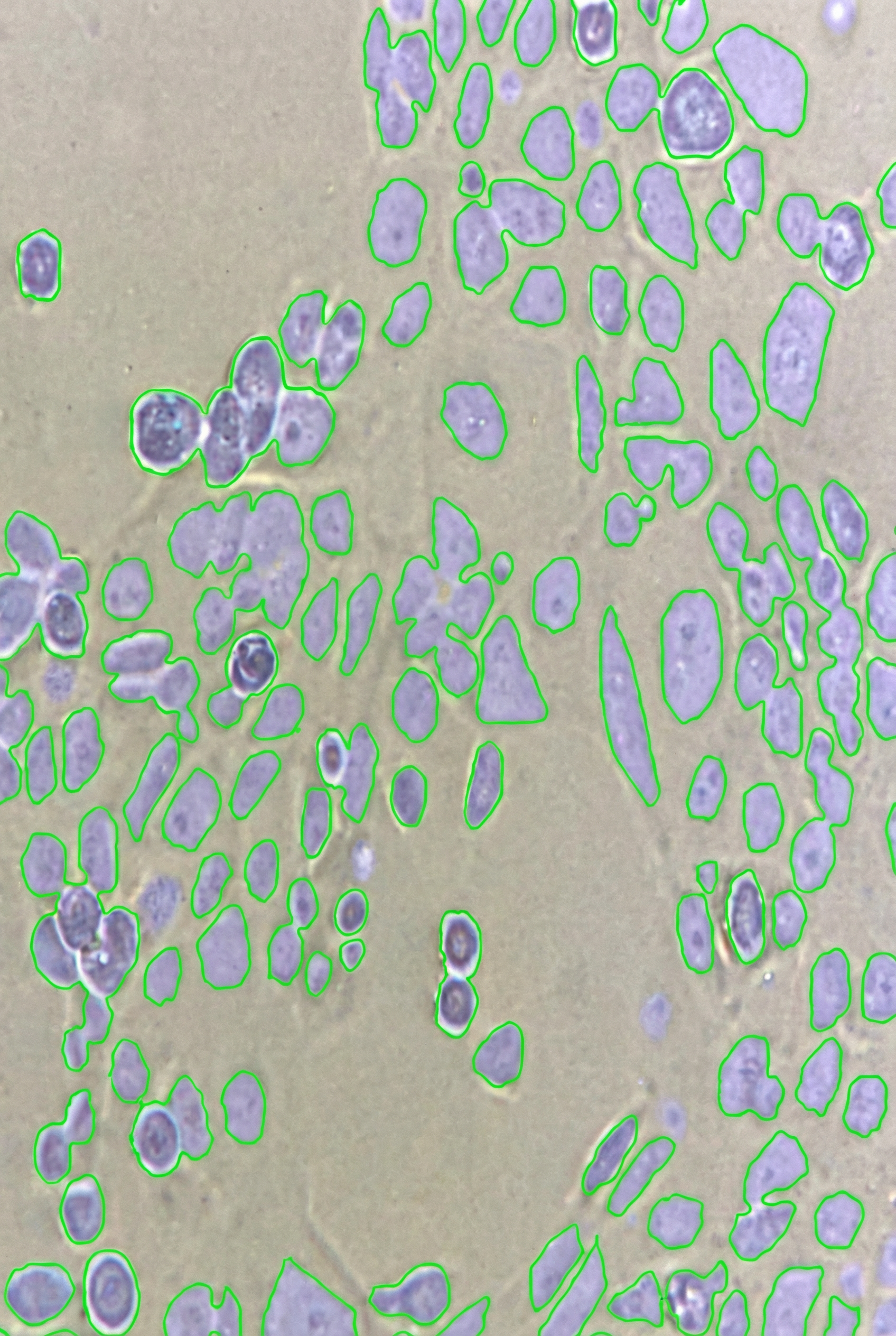
Deciding with Quantification
-
Real-time cell analysis quantifies confluency and morphology, enabling the system to determine optimal next steps without human intervention.
Designed for Today’s Scientists.
Powering Tomorrow’s Autonomous Labs.
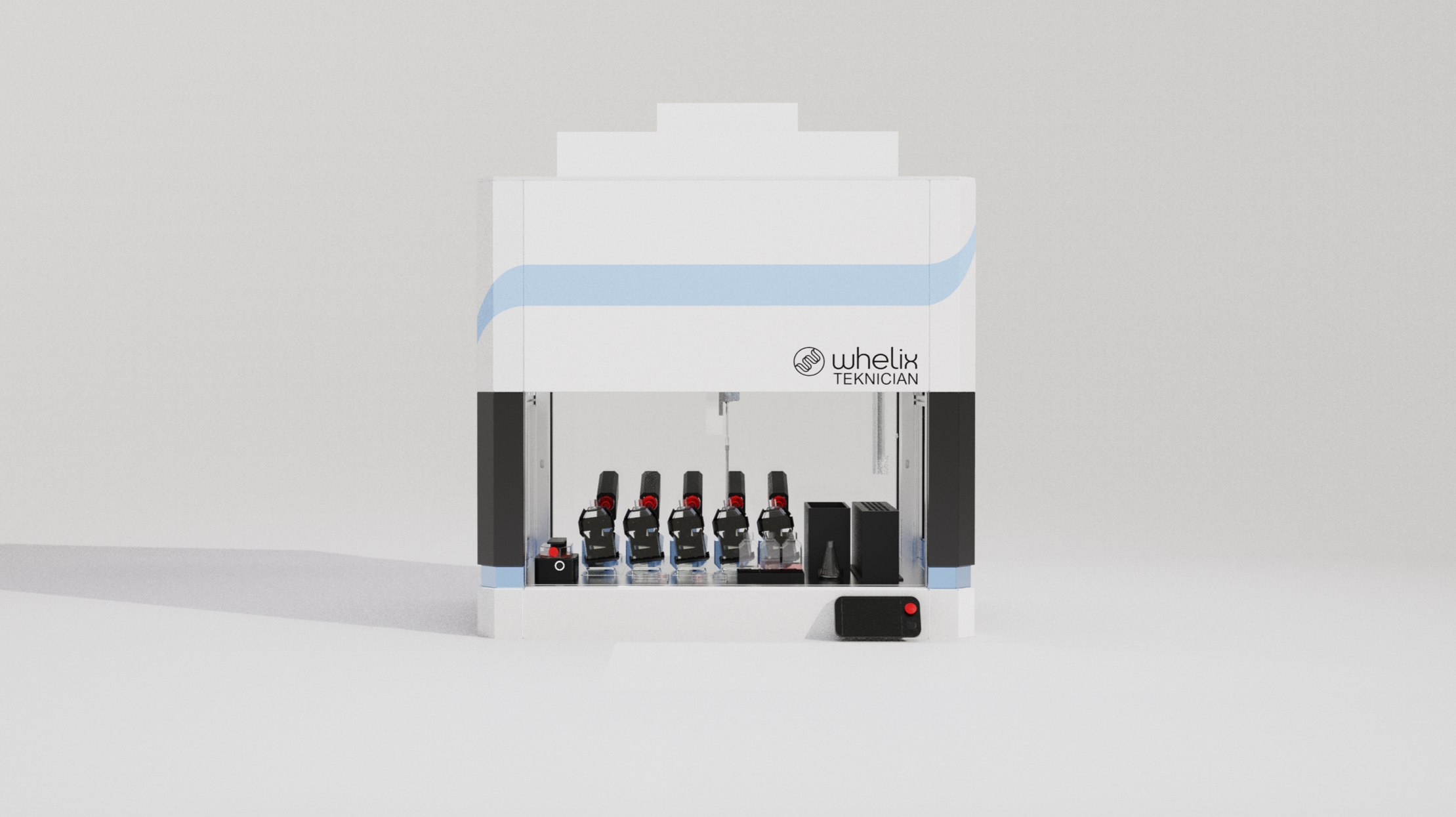
Whelix robots form the intelligent cell-culture backbone of next-generation research facilities. Scientists collaborate with AI agents to design, monitor, and optimize protocols in real time—maintaining full control while offloading repetitive execution to autonomous systems.
Seamlessly integrated with liquid handlers, plate readers, robotic arms, and digital lab infrastructure, Whelix enables continuous, end-to-end cell culture and downstream experimentation. By uniting human insight, robotic precision, and AI coordination, Whelix is redefining the laboratory as a fully autonomous, digital, and AI-driven engine for scientific discovery.
PARTNERS






Transform Cell Culture in Your Lab
See how AI-driven, autonomous cell culture boosts throughput, consistency, and researcher productivity.